Does Allergy Season Impact Dogs?
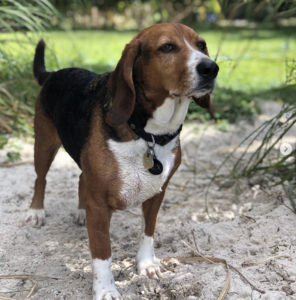
Spring is in the air! Literally, you can see it. The pollen is everywhere. From mid-February through late April, pollen season is in full force.
We know that springtime allergens can cause problems for people, but did you know that your pet may be suffering because of seasonal allergies as well? You might even notice that this year, with the pollen count higher in the Tampa Bay Area than usual, our pets are a little bit more miserable than usual. But what are the signs that your pets are suffering, and what can you do to help?
Signs a pet is suffering from seasonal allergies
Unlike their human best friends, a dog’s allergy symptoms may be harder to spot. Some signs your dog or cat is suffering seasonal allergies include:
- Excessive itching or redness, specifically on the feet or areas that come into contact with grass or other allergens.
- Inflamed or infected skin
- Excessive shedding or uncharacteristic hair loss
- Scooting rear on the carpet or biting and licking the anal area
- Licking of the paws or feet
- Respiratory problems including sneezing, coughing, or collapsed trachea
Common allergens
Pollen may not be the only thing causing your pet to have seasonal allergies. Common allergens can be lurking in your yard and even in your dog’s food. Some of the most common allergens for pets include:
- Pollen and other plant spores
- Dander and skin from other pets or people
- Dust or dust mites
- Cleaning products
- Fleas
- Ingredients in many common dry dog foods
How to treat allergies in pets
Just because it is allergy season doesn’t mean your pet has to suffer. With just a few small changes, your pet can become more comfortable year-round.
To start, make sure your pet’s diet isn’t the culprit of the allergies. Switch your dog to a natural dog food and make sure their treats are all natural as well. We love V-Dog as a healthy, natural option. Then, slowly reintroduce your pet’s usual food and treats into their diet and watch for changes. You should also introduce a pre and probiotic into your dog’s diet, which can help their gut health and reduce allergy symptoms.
Next, eliminate external allergens as much as possible. When your dog comes inside, wipe their paws with a wet cloth or dip them in water to rinse off their feet. This can remove common allergens found in grass. You should also take care to eliminate fleas in your yard and on your pet. I recommend Wondercide, which is an all-natural way to kill fleas and repel them on both your pet and in your yard.
You may also find it helpful to cover areas of your pet’s skin that are particularly susceptible to outdoor allergens. For example, a bandana or an adorable denim jacket can serve as more than just a fashion statement: it can protect your pets’ skin from falling pollen or dander.
If your pet has any hot spots or irritated areas on their skin, try using ’s a full spectrum hemp extract salve with natural ingredients like honey, vitamin E, ginger essential oils, and aloe. A natural salve can be used to support hotspots, allergies, bug bites, and other common springtime issues. You can also give your dog CBD tinctures orally which can reduce inflammation and allergic reactions.
It is also important that you maintain proper grooming during allergy season for your pet. De-shedding is vital to prevent irritation, and as the weather warms up, your pet is likely to shed more than usual. Bring them to Beautify the Beast and add a routine de-shedding to your groom, which includes a de-shedding shampoo, conditioner, and brushing treatment.
Angela Ardolino, a certified cannabis and fungi clinician, brings over 20 years of expertise to the field of holistic pet wellness. As a graduate of the inaugural Medical Cannabis for Therapeutic Use program at the University of Vermont School of Medicine, she is a passionate advocate for safe, natural, and ethically-grown whole plant and fungi medicine tailored for pets.
Committed to the highest standards, Angela continues to educate and inspire pet parents through her popular podcast, Your Natural Dog, where she hosts experts to discuss holistic pet care, natural remedies, nutrition, and training. Follow Angela Ardolino on her website, Facebook, Instagram, TikTok, and YouTube to stay updated on her mission to educate and empower pet parents everywhere.