What We Learned from the Senior Dog Study: Natural Support for CCD

The Senior Dog Study is a groundbreaking veterinary research project, one of the first to study natural ways to support both brain health and quality of life in aging and senior dogs.
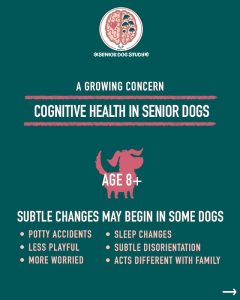
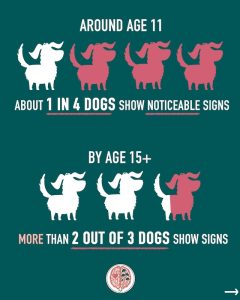
Canine Cognitive Dysfunction (CCD) impacts nearly one in three dogs by age 11, and more than two-thirds by 15, making it one of the most difficult realities pet families face during the golden years.the biggest challenges families face in those golden years.
Our goal was simple: to better understand how mushrooms and adaptogens for senior dogs could help them stay more connected, comfortable, and engaged as they age.
What is the Senior Dog Study?
This proof-of-concept clinical project was conducted under the guidance of veterinarian and researcher Dr. Joel Ehrenzweig, DVM, MRCVS, with coordination by Carter Easler, Director of Education.
Over several months, senior dogs already showing signs of CCD were given a mushroom and adaptogen formula daily. Families and veterinarians tracked changes in behavior, activity, and general well-being throughout the trial.
Unlike anecdotal reports or simple surveys, this was a structured clinical study. Researchers gathered data from multiple angles: pet parent observations, collar devices monitoring sleep and activity, and in-clinic biomarkers.
Senior Dog Study: Collecting the Data
The study combined objective measures (collar devices monitoring sleep and activity, and in-clinic biomarkers) with subjective feedback from pet parents and families. Together, these measurements created a detailed picture of how the dogs were changing both at home and in a clinical setting.
Dogs were scored on a 0–64 behavior scale using the validated DISHAA tool, which veterinarians rely on to measure signs of CCD. DISHAA tracks behaviors like disorientation, changes in recognition, forgotten commands, nighttime restlessness, pacing, staring, and reduced playfulness. Higher scores indicate more frequent or severe behaviors; lower scores reflect improvement.
The collars were especially valuable in collecting objective data throughout the course of the study. For example, the collar data tracked when a dog was pacing at night versus resting, or whether daytime activity was steady or fragmented. This provided measurable proof that aligned with the changes being noticed by families, like more consistent sleep, less nighttime restlessness, and healthier activity levels during the day.
In addition to behavior and collar data, the study measured biomarkers like CRP (an inflammation marker) and BDNF (linked to brain health). While preliminary and variable, these shifts aligned with observed behavioral improvements from pet parents.
Senior Dog Study Key Findings
 What stood out most from the Senior Dog Study wasn’t just the numbers, but the consistent patterns that emerged. Many of the senior dogs with CCD experienced improvements that directly impacted day-to-day life for both them and their caregivers.
Highlights included:
- Improved Sleep & Nighttime Calm: Several dogs who had paced or woken their families multiple times a night began resting in longer, more settled stretches. Collar data confirmed fewer nighttime interruptions.
- Renewed Daytime Engagement: Caregivers observed dogs showing greater interest in toys, surroundings, and family interaction. Some returned to greeting their people at the door.
- Steadier Activity Patterns: Wearable data revealed healthier daily activity and fewer night disturbances, pointing to an overall boost in well-being.
- Biomarker Shifts: In some dogs, CRP trended down and BDNF rose — changes linked to healthier inflammatory balance and brain resilience.
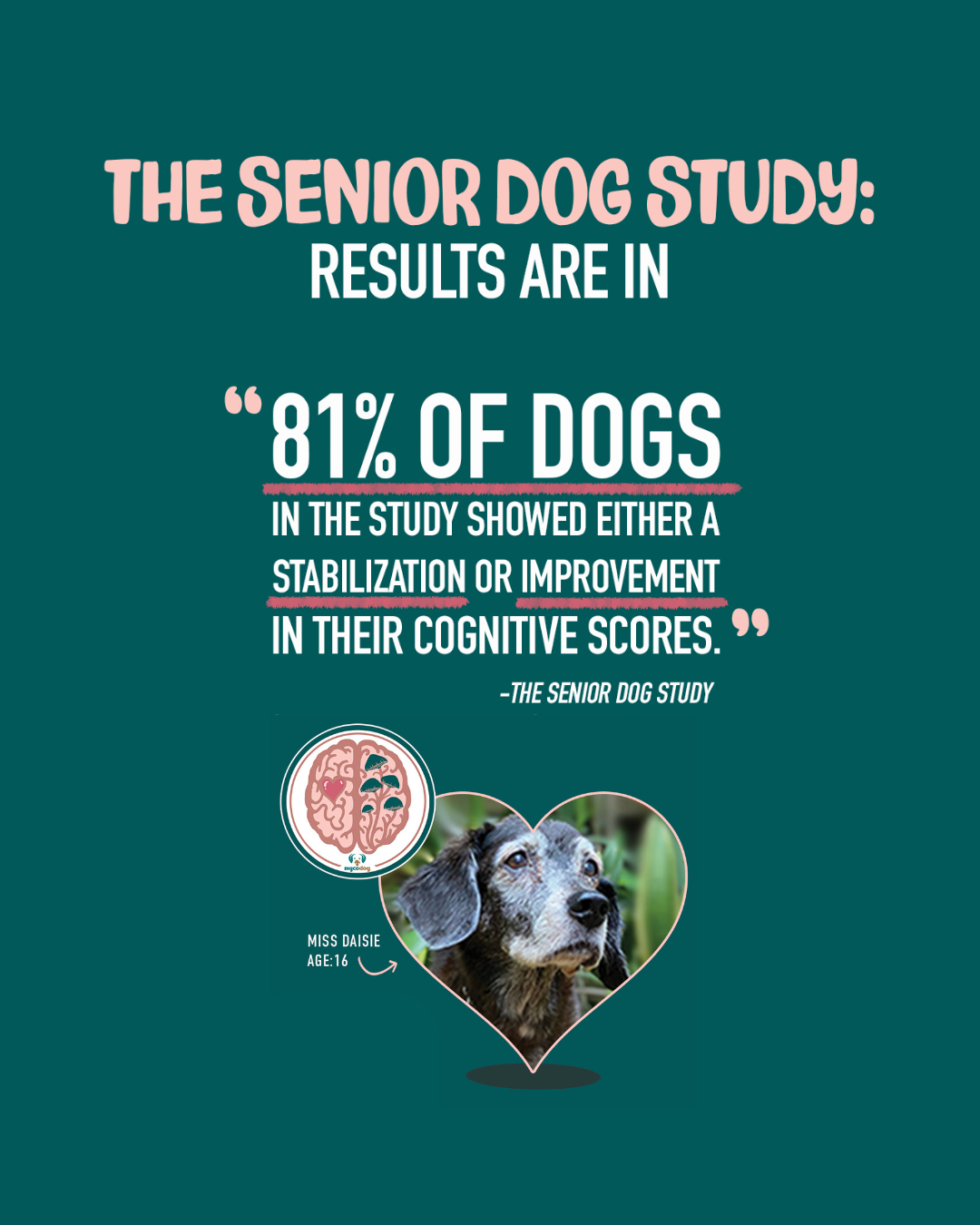
- Overall Outcomes: 59% of dogs improved and 23% stabilized. With CCD being progressive, even stabilization is considered an important success.
- Stage-Specific Gains: Dogs in the moderate CCD group often showed the greatest improvements, with several achieving double-digit drops in behavior scores. Even a five-point change is considered clinically meaningful.
- Most Responsive Symptoms: The CCD behaviors most likely to improve were disorientation, nighttime restlessness, pacing, and reduced interaction.
Real Stories from the Study Dogs
Numbers are important, but what really brings this important research to life are the positive changes in the quality of life of these senior dogs and their families:
- Baby (Pitbull, 10 yrs old, Severe group): Starting with a score of 35 in the severe group, Baby experienced the largest score reduction, with a 25-point improvement to a score of 10, and a noticeable boost in alertness, playfulness, and nighttime rest.
- Billie (Tibetan Terrier, 16 yrs old, Severe Group): Billie began the study at a 42, and improved to 19, a 23-point improvement. His collar data confirmed longer rest periods and increased structured activity. His family also described him as “more present.”
- Chloe (Beagle, 16 yrs old, Severe Group): Chloe entered with a score of 44 and improved by 8 points, to 36 by the end of the study. with calmer sleep patterns and more interest in her surroundings. Her caregivers noticed she was “more engaged with the household”.
- Annie (Golden Retriever, 11 yrs old, Moderate group): Annie’s score improved from 22 to 12, a 10-point change. Her collar showed better sleep efficiency, and her owners also reported fewer pacing episodes and better rest.
- Jessie (Rhodesian Ridgeback, 13 yrs old, Moderate group): Jessie’s score improved from 23 to 4, a 19-point change. Her owner described a “remarkable turnaround” in alertness.
- Mozart (Bichon-Poodle mix, 17 yrs old, Moderate group): Mozart’s score dropped from 34 to 25, a 9 point improvement, with his owners reporting “more good days” and his collar confirming steadier activity patterns.
- Noah (Maltese, 16 yrs old, Mild group): Noah’s night awakenings were cut in half, from 20 per night to 10, giving both him and his family more peaceful nights. Owners also reported he “seems like his old self again.”
- Fat Macc (Mixed breed, Mild Group): Improved from 10 to 5, a five point improvement. His case shows how even mild-stage dogs may benefit from early support that helps slow progression and further decline. Fat Macc’s owners also reported greater enthusiasm at meal times and fewer pacing episodes.
These stories bring the data to life, showing how the changes made a real difference for families day to day.
Natural Support for CCD with Mushrooms & Adaptogens
The mushroom and adaptogens used in the study were dual extracts of the fruiting body of Lion’s Mane, Reishi, and Cordyceps combined with supportive adaptogens, Bacopa Monnieri and Ashwagandha.
One of the most encouraging outcomes was how well the natural ingredients were tolerated. No supplement-related adverse events were reported. Families consistently said their dogs accepted it willingly, and it was easy to add into daily routines.
For dogs already managing medications or reduced appetite, this mattered. A safe, palatable option made ongoing support realistic for both dogs and caregivers. Unlike many medications that can cause stomach upset or sedation, this natural approach offered families another path with confidence.
Learn more about Mushrooms & Adaptogens for CCD
 What This Means for Your Senior Dog
CCD affects nearly 30% of dogs by age 11 and over two-thirds by age 15. Watching a beloved pet become confused, restless, or withdrawn is deeply painful for families. The Senior Dog Study suggests that mushrooms and adaptogens may play a role in supporting dogs with CCD, helping them stay more connected and comfortable.
This study offers hope that, with careful formulation and tracking, natural options may help senior dogs enjoy brighter, more engaged golden years.
Families who want to dive into the details can read the published Senior Dog Study. And if you’d like to see if your dog might be part of future senior dog CCD research phases, you can join the cohort, and sign up for updates to stay informed.
Together, we can keep learning — and keep helping senior dogs live the joyful, connected lives they deserve.
About Angela Ardolino
 Angela Ardolino, a certified cannabis and fungi clinician, brings over 20 years of expertise to the field of holistic pet wellness. As a graduate of the inaugural Medical Cannabis for Therapeutic Use program at the University of Vermont School of Medicine, she is a passionate advocate for safe, natural, and ethically-grown whole plant and fungi medicine tailored for pets.
Committed to the highest standards, Angela continues to educate and inspire pet parents through her popular podcast, Your Natural Dog, where she hosts experts to discuss holistic pet care, natural remedies, nutrition, and training. Follow Angela Ardolino on Facebook, Instagram, TikTok, and YouTube to stay updated on her mission to educate and empower pet parents everywhere.